
Hi, Great To Have You Here!
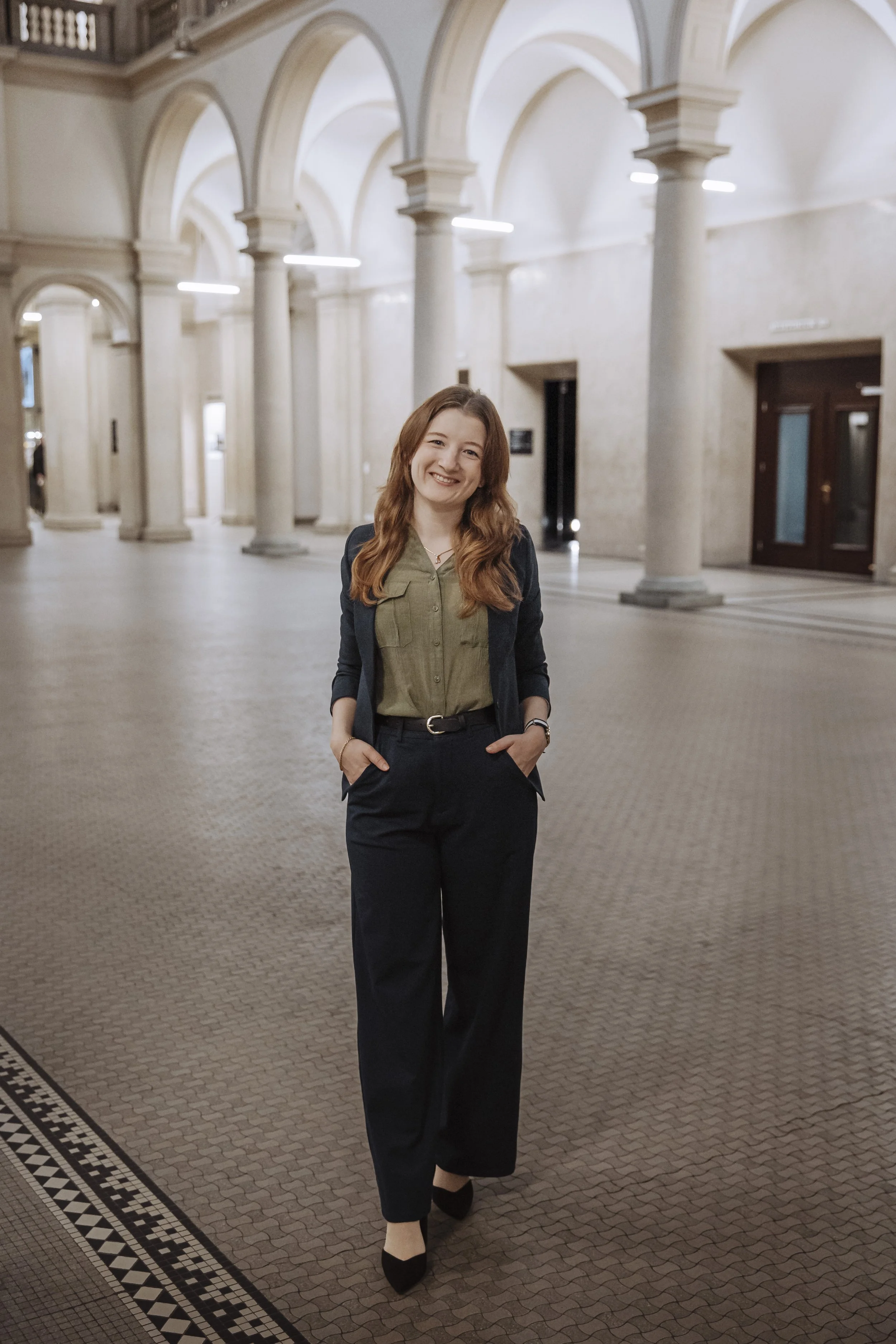
I’m Alexandra, a molecular biology scientist (Dr. sc. ETH Zurich) turned medical writer. My academic journey has been defined by a commitment to excellence; I was honored with the ETH Medal for my Master’s Thesis, a distinction awarded to the top percentage of graduates. I went on to complete my PhD at ETH Zurich — consistently ranked as one of the world's top universities — conducting research in the laboratory of a leading global expert in the field of obesity (Prof. Dr. Christian Wolfrum).
Beyond my scientific background, I am late-diagnosed AuDHD (Autism & ADHD). Navigating academia before receiving this diagnosis gave me a unique perspective on the silent struggles ambitious women often face. I graduated from my PhD in 3.5 years through efficient data systems and healthy boundaries.
Why Targeted Scientific Communication Matters
Medical and scientific writing is about more than just summarizing data - it is the key to progress. If we don’t communicate findings in an appropriate way, the target audience cannot engage with them.
When groundbreaking research is presented in a dry or inaccessible format, the benefits are lost:
For Healthcare Professionals: If new therapeutics or clinical data aren't synthesized effectively, the practical benefits remain hidden, and adoption stalls.
For Patients: Without engaging and clear communication, individuals are less likely to adhere to helpful guidelines or implement life-changing health insights.
Effective communication is essential for translating scientific investment into real-world improvement. I am committed to ensuring that your data doesn't just sit in a journal, but actually drives change and reaches the people who need it most.
My Mission: Closing the Communication Gap
Science has a translation problem, and times of crisis often reveal the weaknesses in communication. Because researchers frequently speak their own highly specialized language, vital findings often fail to reach the public. This creates misunderstandings and mistrust—even though we all share the ultimate goal of new knowledge and progress.
Since 2016, the research world has followed the FAIR principles (Findable, Accessible, Interoperable, and Reusable; Wilkinson et al., Nature, 2016). But while scientists have a duty to publish in journals, I believe true accessibility goes further. It shouldn't be so difficult for the average person to find accurate articles, interpret health statistics, or navigate complex jargon.
With simplified-science, I am closing these gaps through three core pillars:
Professional Medical & Science Writing: Partnering with organizations and researchers to communicate with clarity and heart, ensuring your findings are not just published, but truly understood and applied.
The Science Corner: Translating the latest research in metabolism and health into accessible insights, empowering you to form your own informed opinions based on solid facts.
The PhD Corner: Equipping molecular biology students with practical tools for lab life and mental wellbeing. Drawing from my personal experience as a late-diagnosed AuDHD woman, I share actionable strategies to help you thrive, not just survive, your doctorate.