
Part 1: How to Support Your ADHD Without Medication - The Supplement Guide
Having diagnosed ADHD is a unique experience, and not everyone wants or needs medication. It’s a very personal decision how you handle your condition. There’s no right or wrong - it’s your body, and your choice.
However, when you don’t want to take medication but still hope to support your body in different ways, there are evidence-based options. While research is still catching up, we have some very promising insights.

1. Broad-spectrum Micronutrients (Vitamins and Minerals)
The strongest evidence for adults currently points toward “broad-spectrum” formulas. These aren’t your standard grocery store multivitamins; they are high-dose, clinically researched combinations of minerals and vitamins.
The Impact: Studies (such as Rucklidge et al.) show significant improvements in “Global Functioning”—how well you navigate your overall life—and quality of life. For those struggling with mood or moderate depression alongside ADHD, the benefits are even more noticeable.
The “Metabolic Hunger” Theory: Think of the ADHD brain like a high-performance engine. Due to genetic differences, some brains might have a “metabolic hunger,” requiring much higher levels of “cofactors” (vitamins and minerals) to function. They aren’t “broken”; they just need more fuel than the average person can get from food alone.
No Blood Test Needed: Interestingly, research shows that even people with “normal” blood levels saw improvements. This suggests the benefit isn’t just about fixing a deficiency, but about optimizing brain chemistry.
Keep in Mind: These high-quality formulas can be expensive, which is the most common reason people stop taking them.
2. Omega-3 Supplements
Adults with ADHD often have a higher ratio of Omega-6 to Omega-3, which can lead to neuro-inflammation. Balancing this ratio is key for attention and cognitive power.
Look for EPA: When choosing a supplement, the formulation should have more EPA than DHA. Aim for a ratio of at least 2:1.
Dosage: A common recommendation is 500–1000 mg of EPA per day.
Be Patient: Fatty acids need to build up in your cell membranes. Meta-analyses show that significant effects often only appear after at least 4 months of consistent use. Don’t give up too early!
Note: If you already have very high Omega-3 levels, additional supplementation might not help. It is most effective for those starting with a lower baseline.
3. Saffron (Crocus sativus)
Saffron is a powerful botanical that acts similarly to some traditional ADHD medications by helping the brain keep more dopamine and norepinephrine available.
The Impact: It is particularly helpful for hyperactivity, emotional regulation, and falling asleep—a common struggle for ADHD brains.
Dosage: Most clinical studies for ADHD have found success with 20–30 mg per day. While some studies explore higher doses, staying in this range is effective and safe for most adults.
4. Vitamin D
While the research on Vitamin D and ADHD is still evolving—with some studies showing mixed results—it remains a vital piece of the puzzle. Rather than a direct “cure” for symptoms, think of Vitamin D as a necessary foundation for brain health.
The “Neurosteroid” Role: Vitamin D helps regulate the enzyme (tyrosine hydroxylase) needed to produce dopamine. If your levels are low, your brain’s “production line” for dopamine is essentially throttled.
The “Deficiency Only” Rule: This is the most important takeaway from recent meta-analyses: Supplementation primarily benefits those who are actually deficient. If your Vitamin D levels are already optimal, taking more is unlikely to improve your ADHD symptoms.
The Impact: When used to correct a deficiency, research suggests it can help improve attention and hyperactivity as an “add-on” to other treatments. It may also help with emotional stability and social functioning, even when it doesn’t directly improve focus.
Dosage & Strategy: Because it only works if you’re low, checking your blood levels first is essential. A moderate maintenance dose is often 1000 IU per day, but if a test shows a significant deficiency, your doctor may recommend a higher therapeutic dose to get you back to baseline.
5. Other Key Minerals
Depending on your individual needs, these three minerals play vital roles:
Magnesium: Helpful for stress, irritability, and that “tired but wired” feeling of mental exhaustion.
Zinc: Involved in signal processing; it can help reduce emotional reactivity.
Iron: Low ferritin (iron stores) is a major cause of “brain fog.” If your stores are low, concentration becomes significantly harder. Just like Vitamin D, test this first. Too much iron can be toxic.
Why “Evidence-Based” Is Not Always “Perfect”
It is important to understand the reality of this research:
Adult vs. Child Research: Much of our data comes from children. While the biology is similar, adults often need different dosages and have different lifestyle factors.
The “Global” Effect: You might find that your “focus score” only improves a little, but your ability to handle your day without a meltdown (Global Functioning) improves a lot.
Small Samples: For newer treatments like Saffron, the results are promising but based on smaller, short-term studies (6-8 weeks). We still need more long-term data.
The Co-occurrence Factor: ADHD rarely travels alone. These nutrients often help with the “messy” side effects like anxiety or low mood, which in turn makes managing ADHD easier.
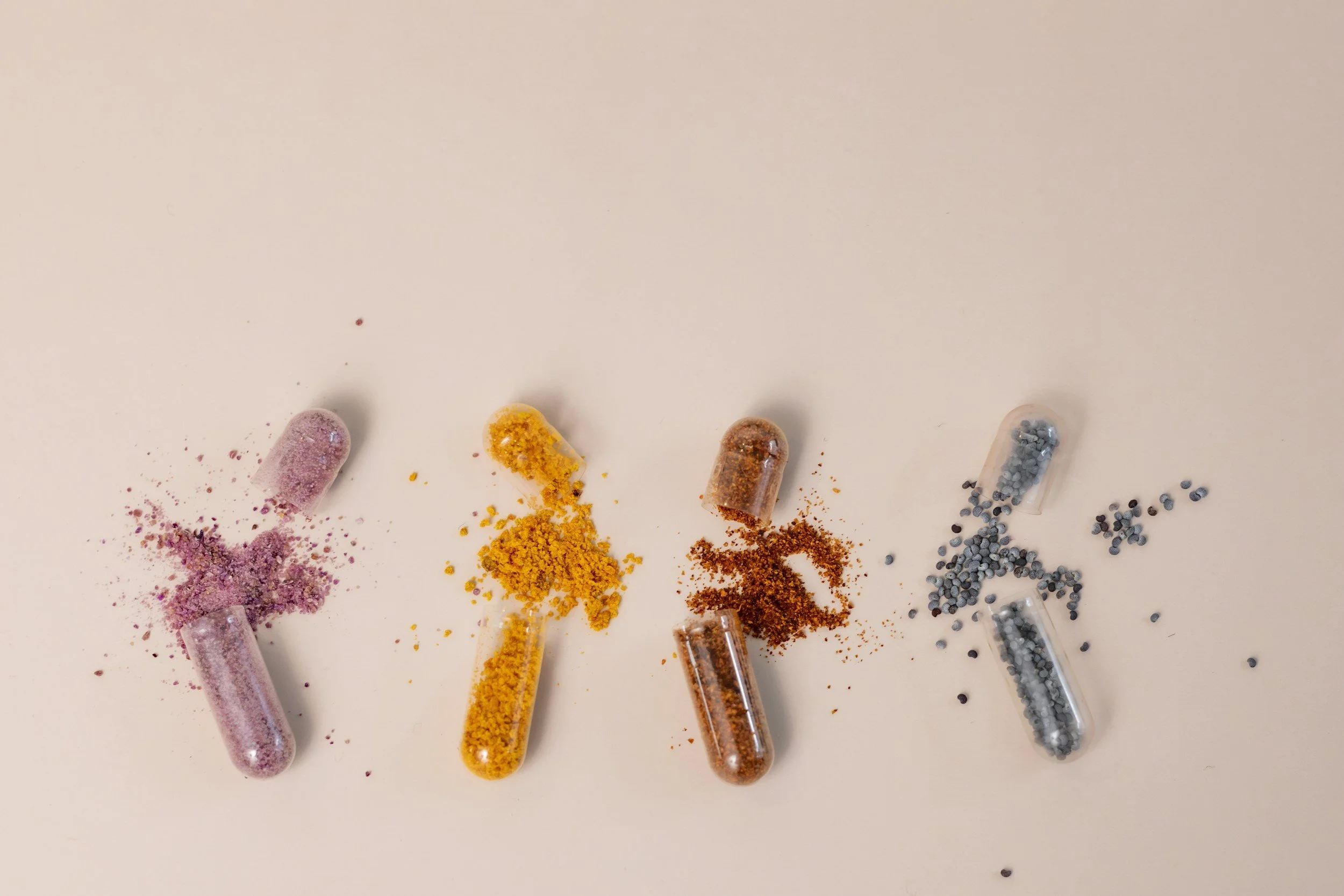
A final note on safety
Supplements can be a fantastic addition to your routine, especially if you experience side effects from traditional medications. However, if you are already taking ADHD medication, please speak with your doctor first. Some nutrients can change how your medication is metabolized, which may require a dose adjustment.
Disclaimer: The information provided here is for educational and informational purposes only and does not constitute medical advice. Please consult with a healthcare professional before starting any new supplement routine.
References
The Effects of Crocus sativus (Saffron) on ADHD: A Systematic Review